Kyle MacLachlan as Dad in Inside Out #InsideOutEvent

Kyle MacLachlan as Dad in Inside Out

By Erin

*I attended a special interview with Kyle MacLachlan as a guest of Disney as part of the #InsideOutEvent! All thoughts and opinions remain my own*

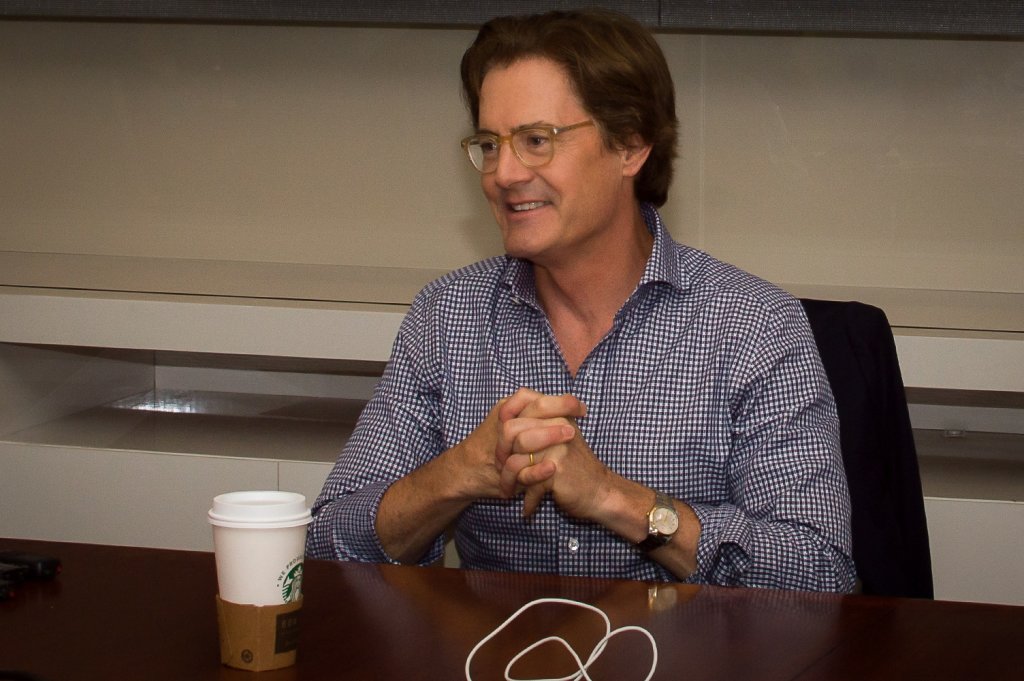
Kyle MacLachlan plays the voice of “Dad” in the new major emotion picture Inside Out. You might remember him from beloved shows such as Sex and the City , where he played Trey, Charlotte’s first husband or from How I Met Your Mother, where he played The Captain. The other week during all of the Inside Out festivities we were able to get inside his head and what he thinks of the film. Disney Pixar’s Inside Out was the perfect film to open this past Father’s Day weekend don’t you think? All of the frustrations and challenges a parent faces while their child grows up in front of their eyes is summed up pretty well. It is sure to be an emotional roller coaster for a lot of families as well as the perfect opportunity to bond and bring up some emotional topics about feelings.

Inside-Out-Dad

Onto our conversation with Kyle! We jumped right into the good stuff and asked him, What identities would control you?

Kyle replied with, “What would they be, controlling me?  It would be, Wino would be one.  He controls me after 6.  I don’t know if Pete Doctor and Jonas and those guys thought of that one, and it maybe not appropriate for Riley, for that maybe.  Coffee would be another one.They’re pretty much the same.  Don’t you think? I would put underneath that Silliness, just because that’s just kind of my nature. The rest of them would be secondary.”

Next he told us about being a Dad and how much of the character he was able to bring on-screen because this was kind of normal character departure from what he normally plays. “It was fun to do this guy, being a Dad myself, I was able to bring a little bit of my relationship with my son in and it was encouraged actually by Pete and Jonas and Ronnie, they wanted my personality so I was happy to try different things.  Some worked, most didn’t but it’s always good to throw them out there just as ideas. But the process is strange because you’re sitting with a Microphone and you don’t have anything visually to work off  of and Pete would feed me all the information of what was happening in the scene and I would read it and go into my head and play it out in my head so it was like I was shooting my own little Movie as I was saying the words; walking into the room, sitting down on the edge of the bed and saying things got a little hand, you start asking questions like, would I say that from the doorway or would I knock? You begin to put it together in your brain; let me try it this way and then let me try it starting it here.” He found the process rather fascinating.

“Most people I think would be bored to tears but I love just how to interpret those words, in the most interesting way, hopefully that’s the difference between doing it in front of the camera where you’re actually just walking through it and you can feel it yourself to just playing it out in your head as you go.”
11209445_10206116237480351_1985952349383963404_n-1024x681

Kyle’s son will be 7 next month, has he seen the movie yet?

He’s seen the trailers on it like the Dinner scene. “He loved the Dinner Scene.  He says, the foot is down, the foot.  He loves that part. He’s seen a couple moments but, I’ll take him to see it at some point this summer.” This was followed by asking if he feels like he can see the emotions in his son’s head?  

“I totally see it in him. He’s coming up on 7 so they’re still trying to figure out how they all work together.  Joy is the dominant one for him as well but he can bring in some disgust with attitude, which I’m sure he’s picked up at school.  He definitely, has this silly gene from me. That comes from my Grandmother in fact. You begin to see and recognize, not only in him but in other people as well. I was doing an interview earlier where the Writer said, why don’t you take your hand off the Anger button to his son. I was like OK, so maybe this will enter our consciousness in a whole different way.”
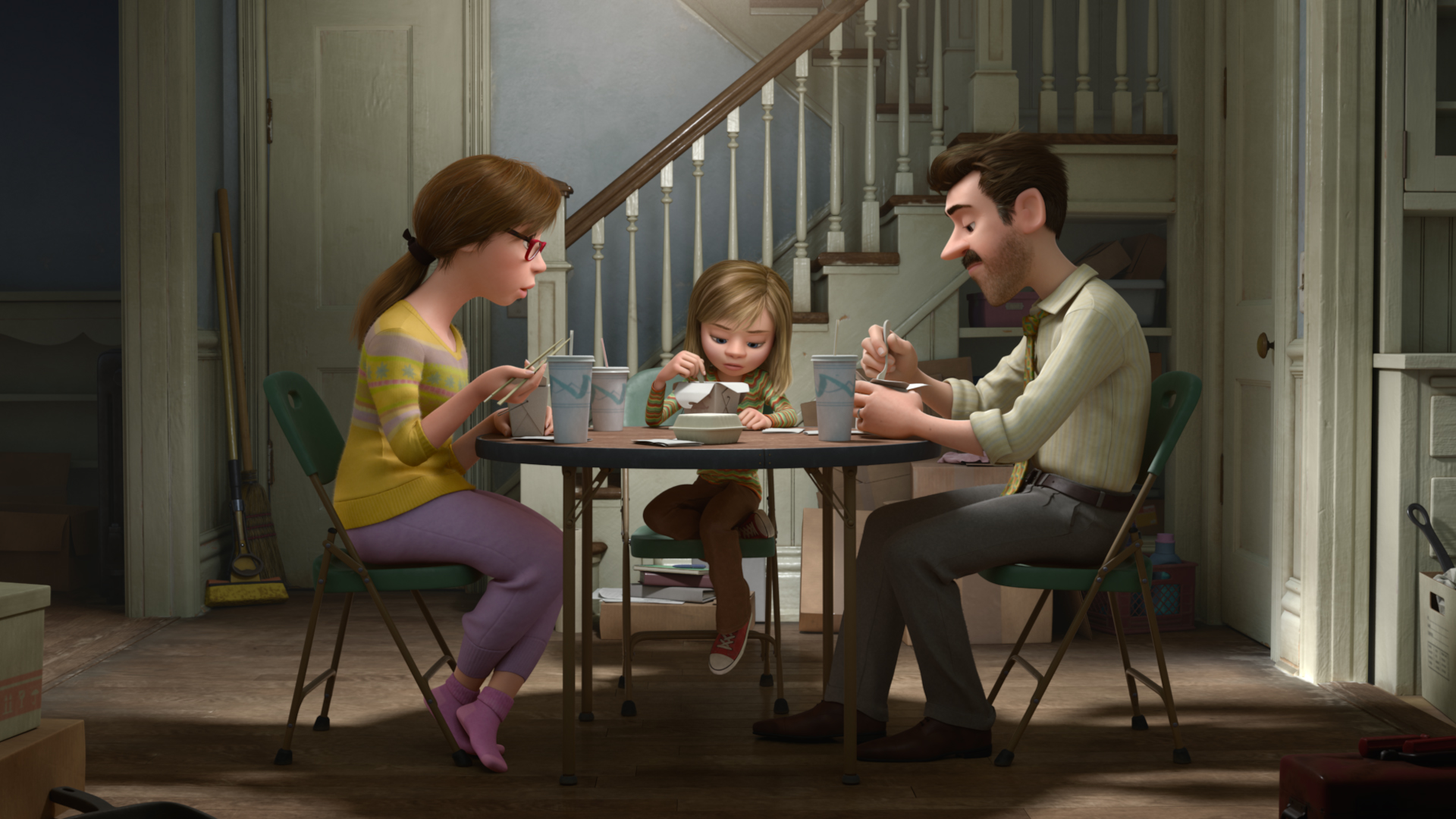
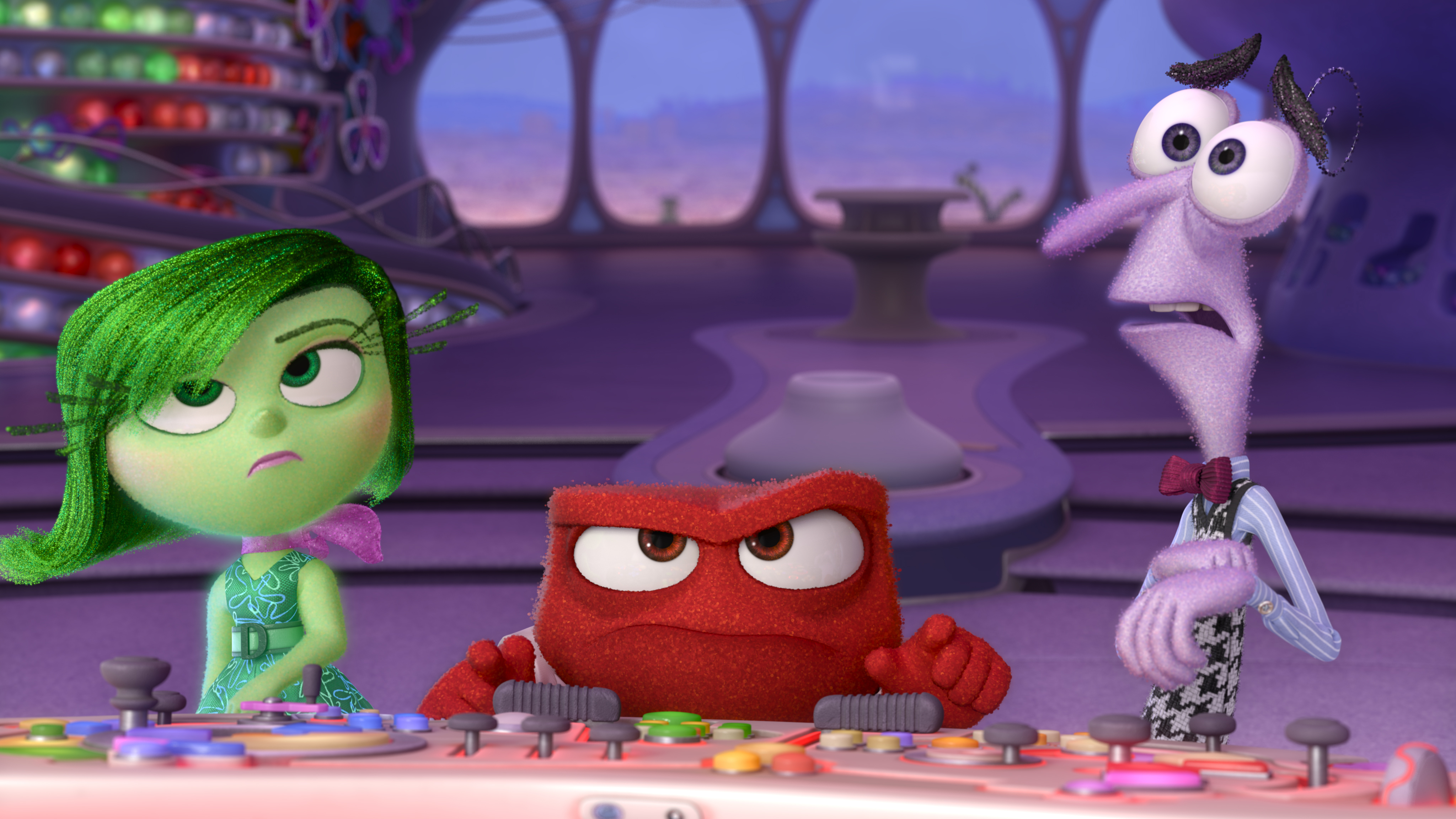
WHAT ARE THEY THINKING? -- Pixar Animation Studios takes audiences inside the mind of 11-year-old Riley, who is uprooted from her Midwest life when her father starts a new job in San Francisco. Guided by her five Emotions - Joy (voice of Amy Poehler), Sadness (voice of Phyllis Smith), Fear (voice of Bill Hader), Disgust (voice of Mindy Kaling) and Anger (voice of Lewis Black) - Riley struggles to adjust, and when Fear, Disgust and Anger are left in control, even a simple family dinner takes an unexpected turn. Also featuring the voices of Diane Lane as Mom, Kaitlyn Dias as Riley and Kyle MacLachlan as Dad, Disney•Pixar's "Inside Out" opens in theaters nationwide June 19, 2015. ©2014 Disney•Pixar. All Rights Reserved.

Photo Credit: Disney/Pixar

We a were all very curious to find out what the difference between Voice Acting and Standard Acting was like?  Could you relax in Voice Acting?

He told us, “Going to work as an Actor, they sort of tell you what time, they pick you up sometimes, they feed you, they tell you what to wear.  They tell you what to say.  They tell you where to stand.  They tell you when to stop, they tell you when to go.  They tell you where to sit and you’re waiting.  They tell you where to eat lunch.  So it’s pretty nice not to have to do a whole lot. Voice Acting is nice because, there’s not a Camera that you have to be aware of necessarily. Although they did film all of the stuff that I was doing just to capture the physical gestures and mannerisms and a little bit to incorporate I think in the role or in the drawings. But it’s different, challenging, because as I said earlier, I run the scene in my head so I’m recreating, cause I don’t see all the stuff.  It’s sort of described, he’s at the door, he’s at the bed.  I’m like, when does he get there?  How does that work and when is his line when you reach out and touch your hair, would you like pat our hand?  All that is running in my head as I’m doing it, trying to recreate it up here.  And that takes–  You get exhausted doing that actually.  But there’s only 2 hour sessions so that was OK, yeah.”
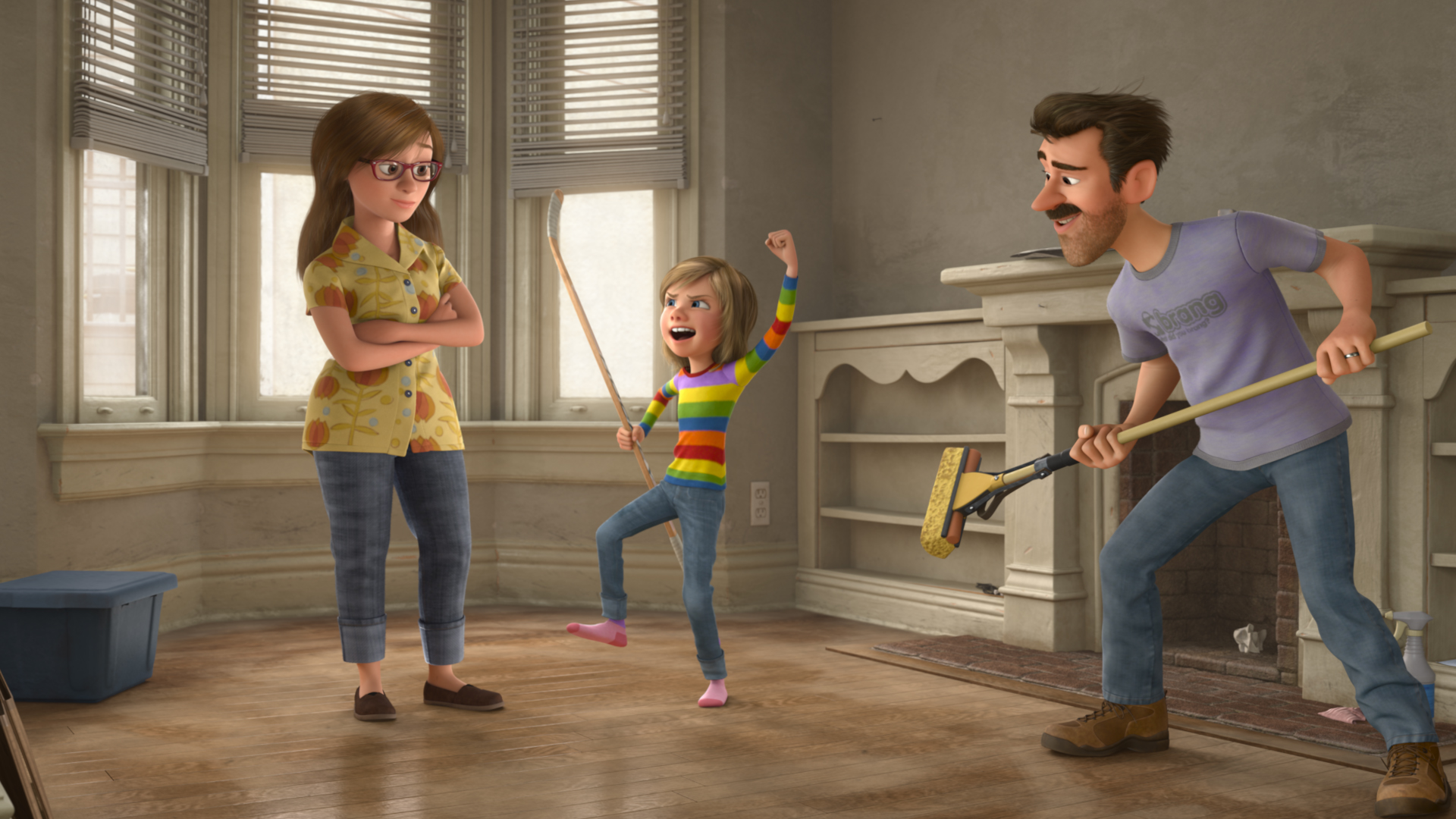
INSIDE OUT - Pictured (L-R): Riley's Mom, Riley Andersen, Riley's Dad. ©2015 Disney•Pixar. All Rights Reserved.

Photo Credit: Disney/Pixar

Continue reading »

An Insiders Look Into Disney/Pixar’s Inside Out! #InsideOutEvent

An Insiders Look Into Disney/Pixar’s Inside Out!

By Erin

The big day has finally arrived! Inside Out is here to enter the minds and hearts of all who see it. I just cannot say enough good things about this film; it’s the feel good movie of the summer, and it’s still technically a couple of days until summer is officially here. But it’s just that good, so I’m going to pretend it’s summertime already. Adorably inventive, gorgeously animated, and powerfully moving, Inside Out is another  jewel to add to the Pixar library.

Inside Out

Centered around 11-year-old Riley, the movie follows this spirited and goofy young girl, as her dad’s new job in San Francisco uproots the family from the Midwest (Minnesota). To help her navigate through this change are her emotions: Joy (Amy Poehler), Fear (Bill Hader), Anger (Lewis Black), Disgust (Mindy Kaling), and Sadness (Phyllis Smith).

INSIDE OUT

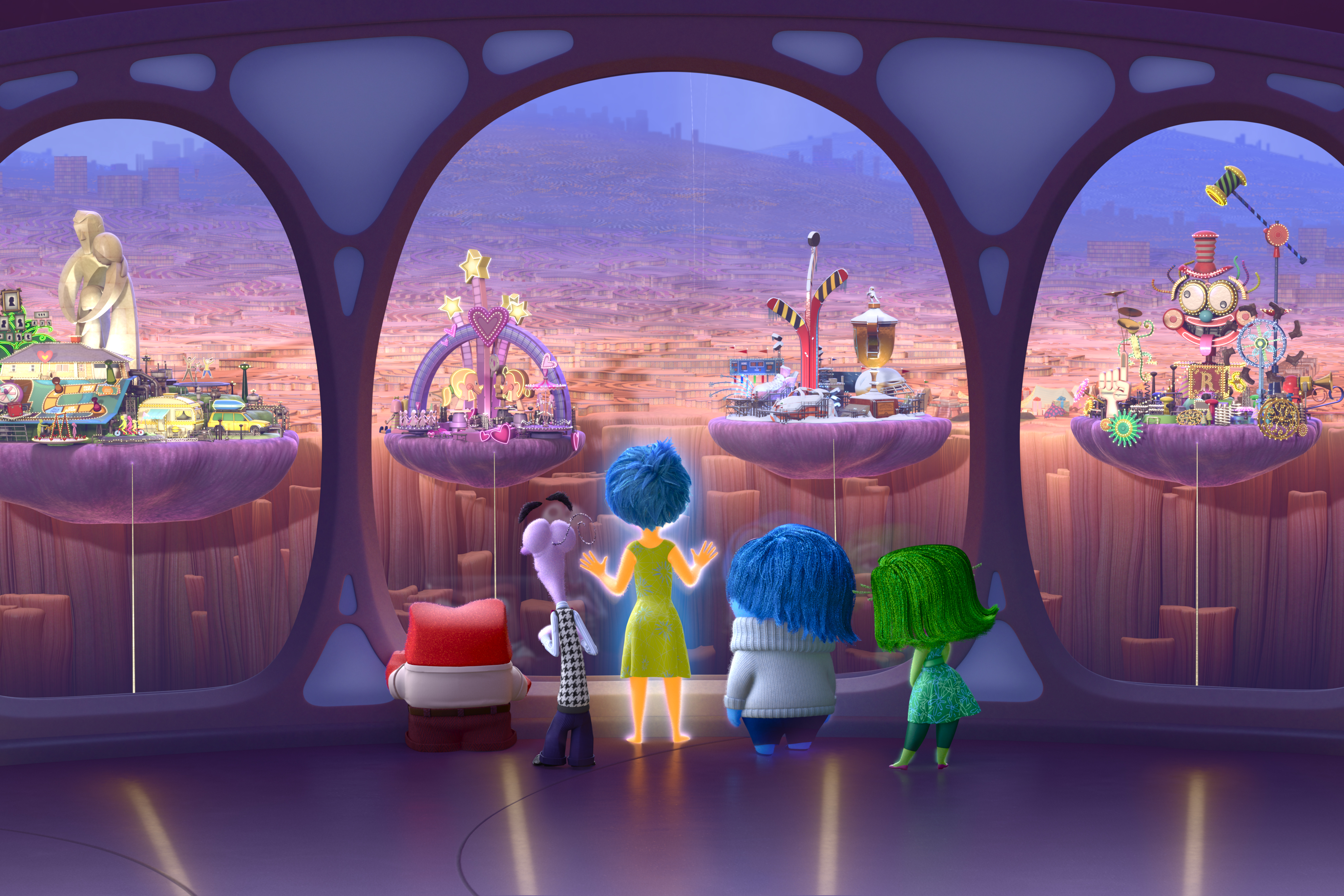
The control center inside 11-year-old Riley’s mind, is called Headquarters and it is where five Emotions are hard at work, led by lighthearted optimist Joy, whose mission is to make sure Riley stays happy. Fear heads up safety, Anger ensures all is fair and Disgust prevents Riley from getting poisoned, both physically and socially. Sadness isn’t sure really what her role is, and frankly, neither is anyone else. “The Emotions are kind of like the voices in our heads,” says director Pete Docter. “Everybody has a default temperament. We all go through periods of being happy or sad, but certain people are just happy or angry or what have you. Riley is one of those happy kids. So Joy had to be the first Emotion to show up, and she has a very special bond with Riley.” But when Joy and Sadness are accidentally swept into the far reaches of Riley’s mind, taking some of her core memories with them; Fear, Anger and Disgust are left in charge, and all sorts of crazy things start happening.

D

Joy and Sadness venture along through Long Term Memory, Imagination Land, Abstract Thought and Dream Productions all in a dire effort to get back to Headquarters before it’s too late. On this adventure you will meet many colorful characters, including the Forgetters, who are Mind Workers in charge of sorting Riley’s memories, to Riley’s forgotten imaginary friend named Bing Bong, (whom I just adored, and I am sure you will too! Bing-Bong! Bing-Bong! Bing-Bong!) is part cat, part elephant, but mostly cotton candy. He’s desperately trying to find a way to make Riley remember him. Filled with lovable and memorable characters, making it a fun movie for all.

You will learn a lot about Riley’s Islands of Personality in the film. They are powered by core memories, which are all of the really important and significant times in Riley’s life. Core Memories are those things that you’ll think about or remember until your last days. It’s those big moments that have led us to be who we are. Each Island defines a different aspect of Riley’s personality: Hockey Island, Friendship Island, Family Island, Goofball Island, and Honesty Island.

Of course I don’t want to ruin it for you and give away the ending or all of the little details that make this such a wonderful and enjoyable film, so I will leave you with a few fun facts about Inside Out.

Continue reading »

Inside Out: Meet the Little Voices Inside Your Head #InsideOutEvent

Inside Out: Meet the Little Voices Inside Your Head

By Erin

*I was invited as a guest of Disney to attend the press junket for purposes of this post*

Have you ever wanted to meet those little voices inside your head? Or do you ever look at someone and wonder what is going on inside their head? Well, in Disney-Pixar’s fifteenth film, “Inside Out” examines this very thought of what goes inside our head as we witness firsthand the turbulent mechanisms and dynamics of the five primary emotions driving an eleven year-old girl’s mind. At a recent press junket in Beverly Hills we were able to do just this as we got to sit down and chat with the creators and cast of Inside Out.

Inside-Out-PC

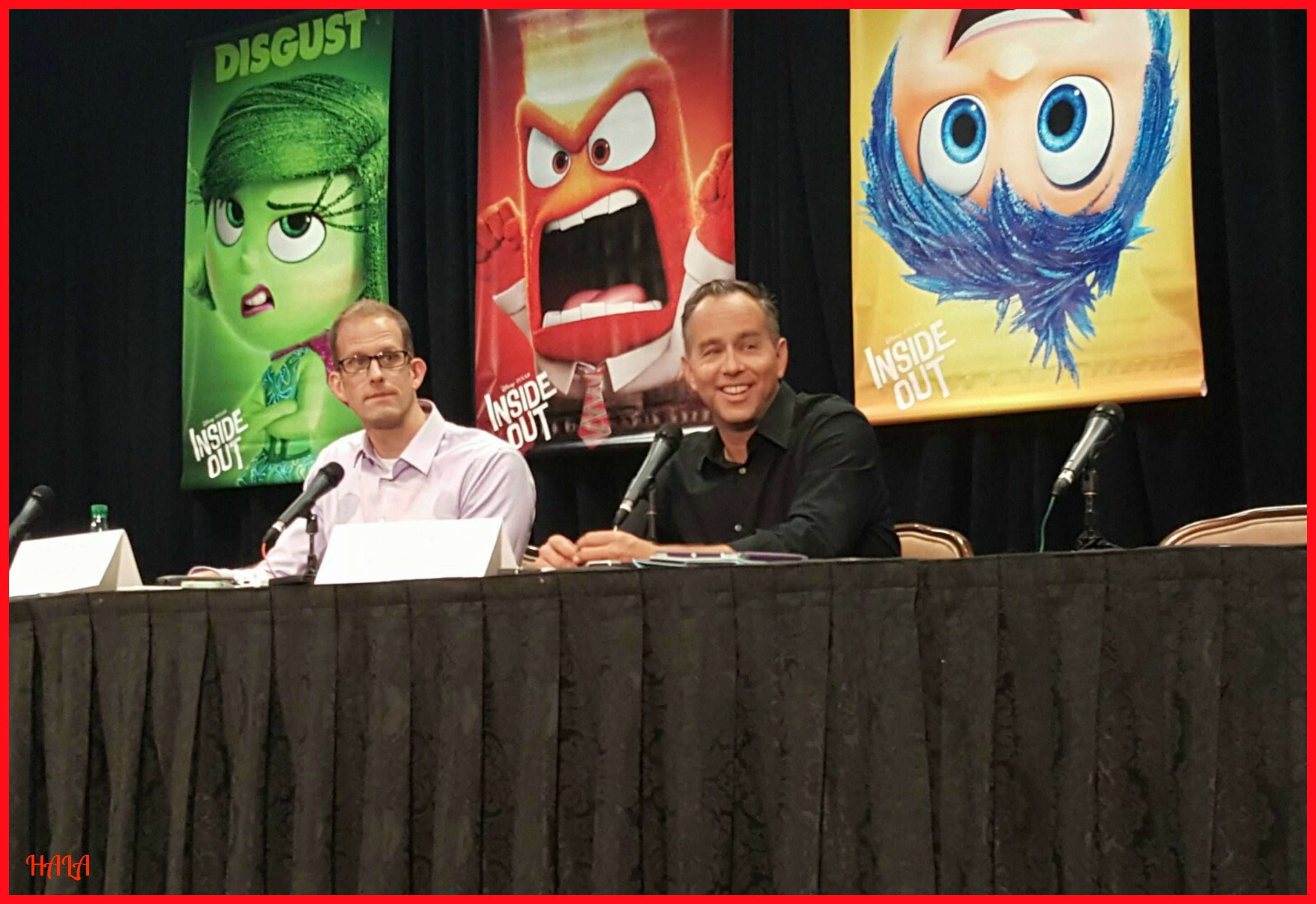
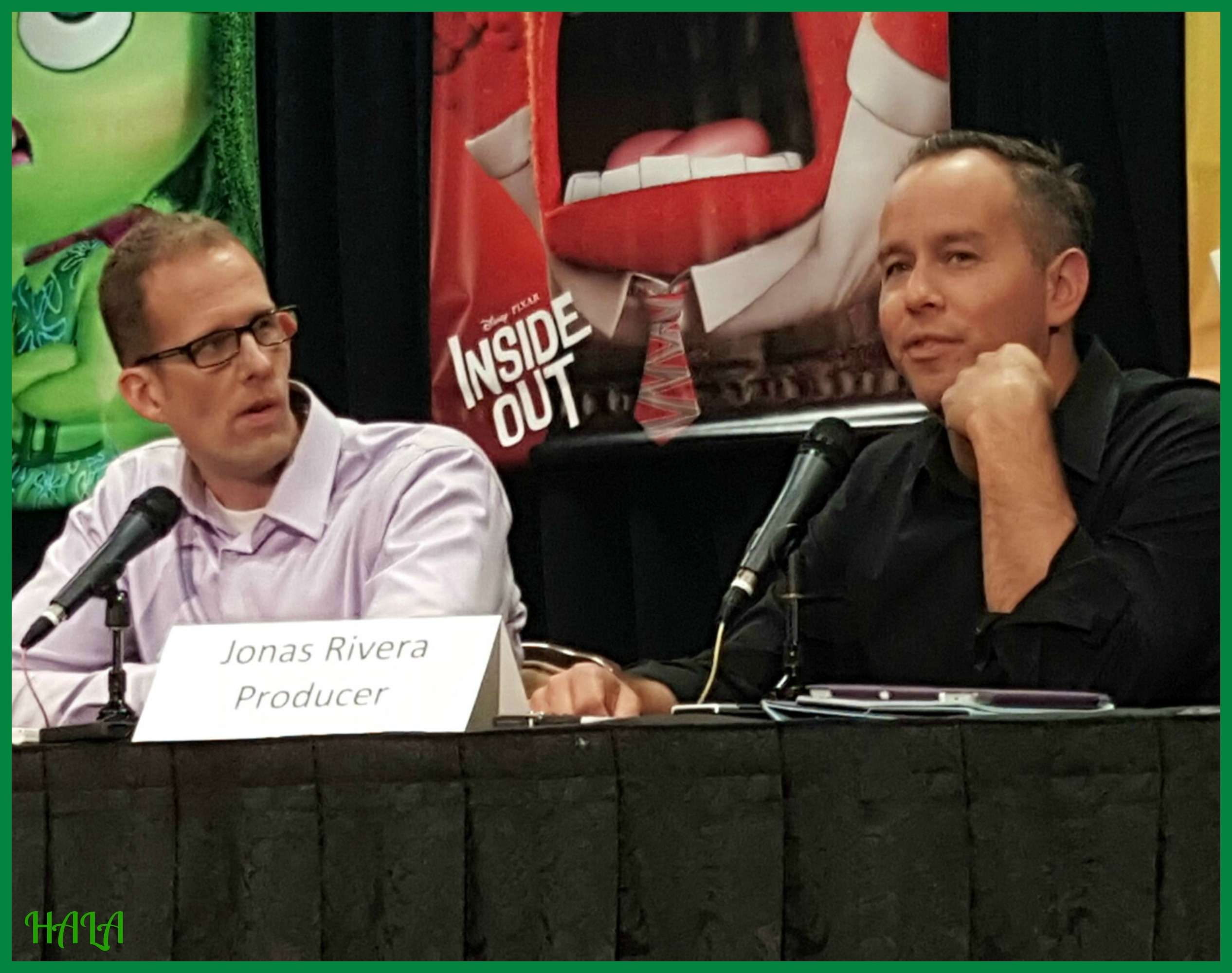
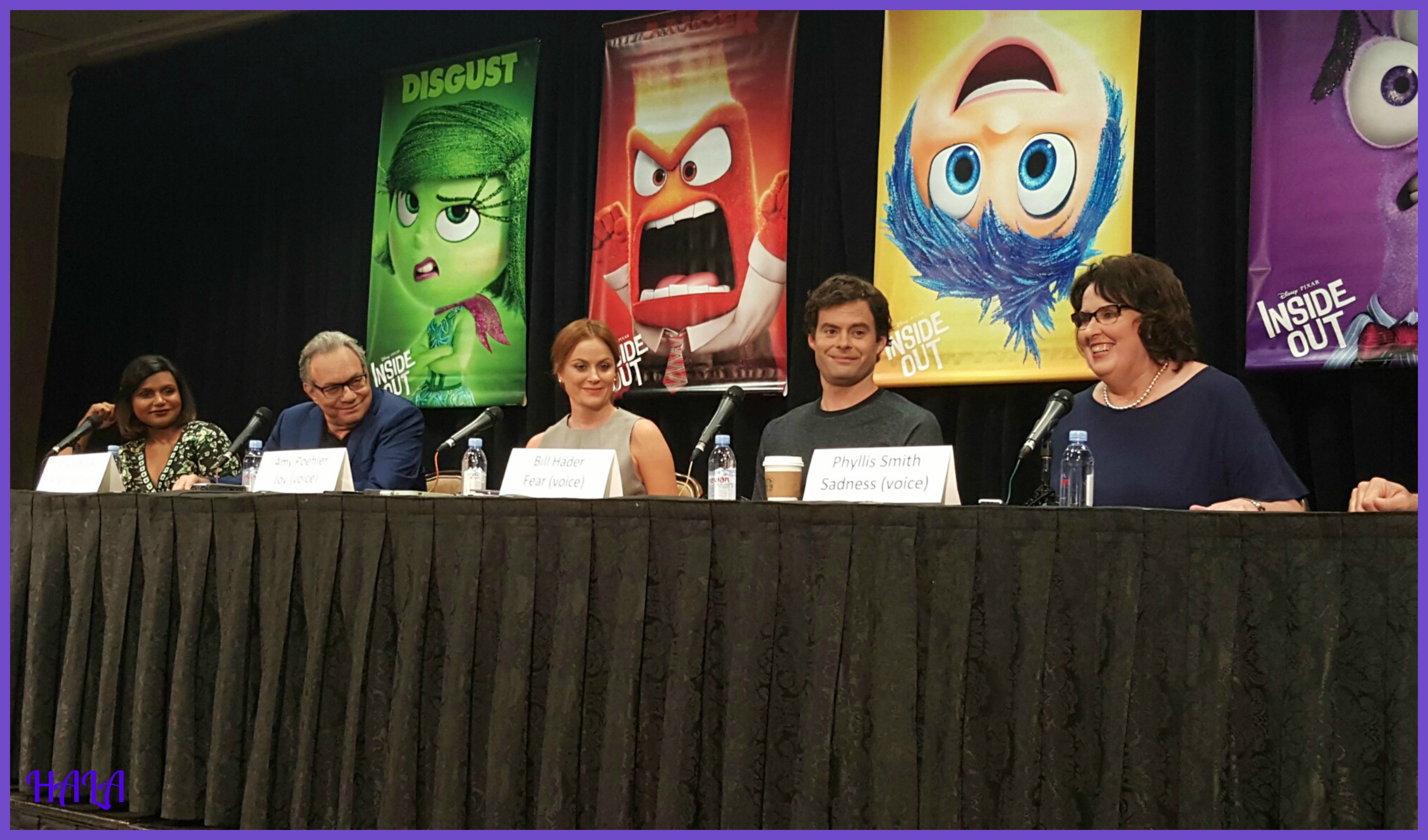
Director Pete Docter, Producer Jonas Rivera, and cast members Amy Poehler (“Joy,”) Bill Hader (“Fear,”) Mindy Kaling (“Disgust,”) Phyllis Smith (“Sadness,”) and Lewis Black (“Anger”) joined us for some very emotional fun, topics ranging from emotions, to Pixar, to Islands of Personality.

First we chatted with Director Pete Docter and Producer Jonas Rivera. Both have been with Pixar for over 20 years, and their love for creating movies shines through in Inside Out.

Inside-Out-Pete-Jonas

So how did the idea of “Inside Out” come to be?

Pete Docter  noticed that his daughter was going through some very emotional times, like all pre-teens do. She had just turned 11.

“I noticed my daughter growing up, being a little less goofy and wacky and funny and a little more shy and quiet because she had turned 11.  And at the same time, I was looking at different ideas for a film and thought about emotions as characters. The basic pitch that I gave to Jonas at first, and then ultimately John, was, “What if we have an 11-year-old girl who’s moved across the country, but she’s actually not the main character; she’s the setting, because inside her head are her emotions that help her deal with everyday life?” It was pretty much just that simple of a concept.  I didn’t really have a story yet.  That came from working with Josh Cooley and Ronnie del Carmen, all the amazing story talents that we have.  It slowly developed over the next four years.  But we all kind of know that, that it doesn’t have to be perfect.  We’re gonna make a lot of adjustments and refinements as we go.”

inside-out-jonas-rivera

How did there come to be five emotions to go inside the head, rather than six or four?  Is there a mathematical reason for that?

Pete explained to us: “I pitched optimism, which is, we learned later, not really an emotion, and joy. I had fear and anger and some other ones, and we realized, man, we don’t really know anything about this.  So we did a lot of research, and that’s where this came from.  There is no consensus amongst scientists about how many emotions there actually are.  Some say 3; some say 27; most are somewhere in the middle.  We realized, well, we get to kind of make this up. We arrived at five, mainly because it’s a nice odd number.  It felt like a good crowd, enough contrast and conflict between them, but not so big that you’re, like, “Wait, who’s that again?  Schadenfreude?  Okay.  Lost track of −” so, if we were to represent all 27, I just − my brain was hurting, thinking of writing for all these characters. We ended up at these five, largely because of the work of Dr. Paul Ekman, who was one of the consultants on the show.  And he had originally, back in the ’70s, posited six.  It was our five, plus surprise.  And we felt surprise, as a cartoon, is probably fairly similar to fear.  So we jettisoned that one, and that’s how we ended up with the five.”

Do Pete and Jonas deliberately start out to make movies as a team or purposely like to make people cry?

Jonas had this to say: “We don’t sit around consciously going, “All right. Let’s make a great movie.” I mean, we hope that happens, obviously, but I think it’s just like, “What do we wanna see? What did we love seeing when we were kids? What do we wanna take our families to? What are we gonna be proud of? Let’s aim for that.”

Next, we had a hilarious chat with the voices inside the head of Inside Out.

Inside-Out-Cast

Continue reading »